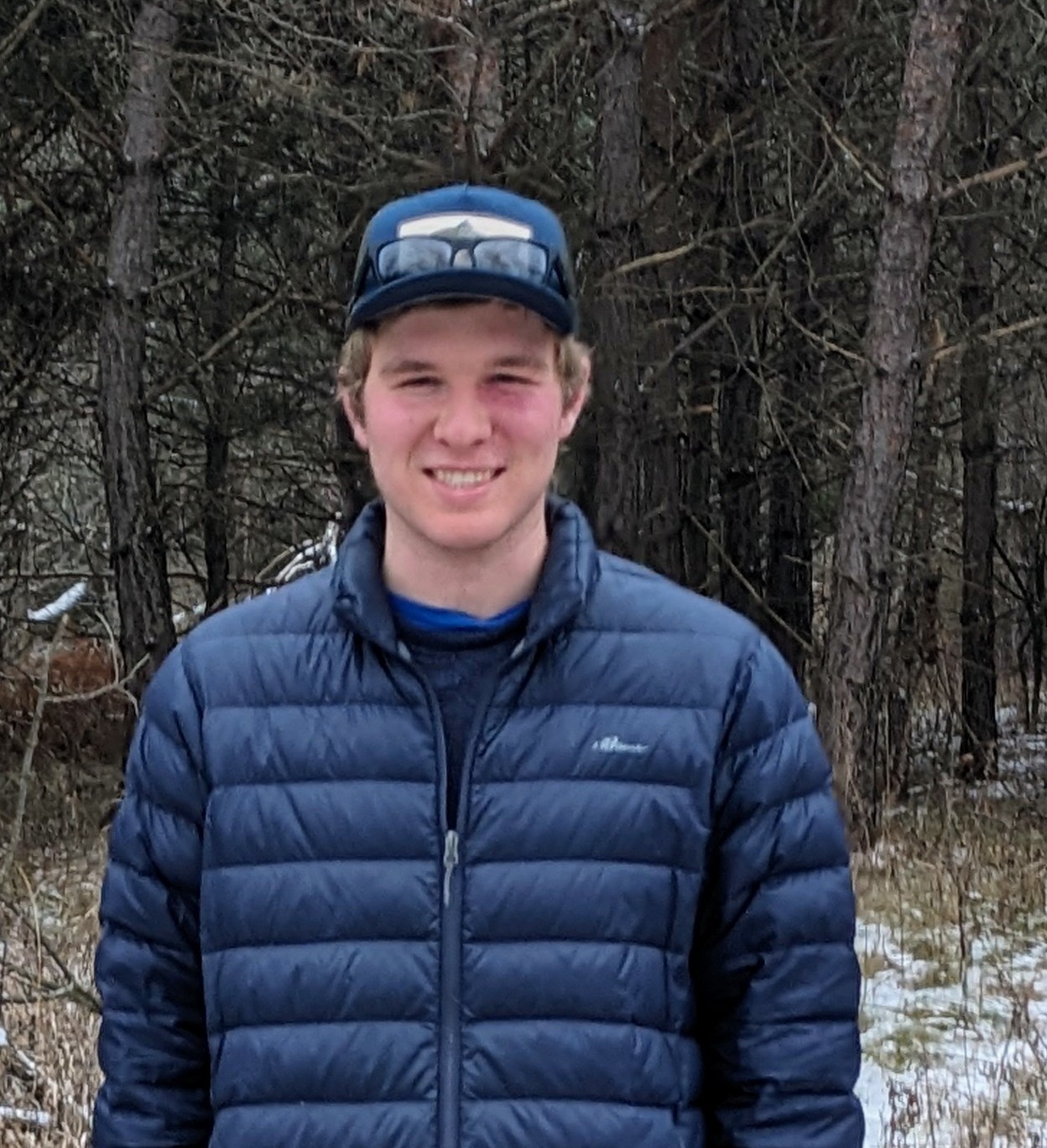
Mitchell D. Jans
Environmental engineer studying how cohesive fine-grained sediments move in aquatic systems.
PhD Candidate · Interfacial Water Group · Princeton University
Advised by Professor Ian Bourg in the Civil and Environmental Engineering Department.
B.S. Civil Engineering, University of Minnesota Duluth (2022).
M.A. Civil & Environmental Engineering, Princeton University (2024).
Mineralogical Insights in Soft Geophysical Flows & Sediment Transport
Impact of Clay Minerals on Sediment Gravity Flows
Cohesive sediment gravity flows are important geophysical flows that transport large volumes of sediment in marine and lacustrine environments. Despite their significance as a sediment transport mechanism, the physical processes governing these flows remain poorly understood due to complex mechanical and chemical interactions within clay-rich flows.
This research develops a computational fluid dynamics model to simulate cohesive sediment gravity flows and investigate how sediment properties control flow behavior. The model captures multiple flow regimes and can accurately predict key characteristics such as flow morphology and propagation speed.
Impact of Clay Content on Sediment Bed Erodibility
The erosion of clay-rich sediment beds remains difficult to predict compared to granular sediment beds, which can often be described using the Shields curve and formula. Even small amounts of clay can significantly alter erosion thresholds, causing sediment beds to behave very differently from purely granular systems.
In this work, we collaborate with experimental researchers at the University of Minnesota to develop and validate a computational fluid dynamics model capable of predicting incipient erosion in clay-rich sediment beds. The model is tested across a range of geophysically relevant conditions, including variations in salinity, consolidation state, and sediment permeability.
Water Quality Impacts in Temperate Lakes and Rivers
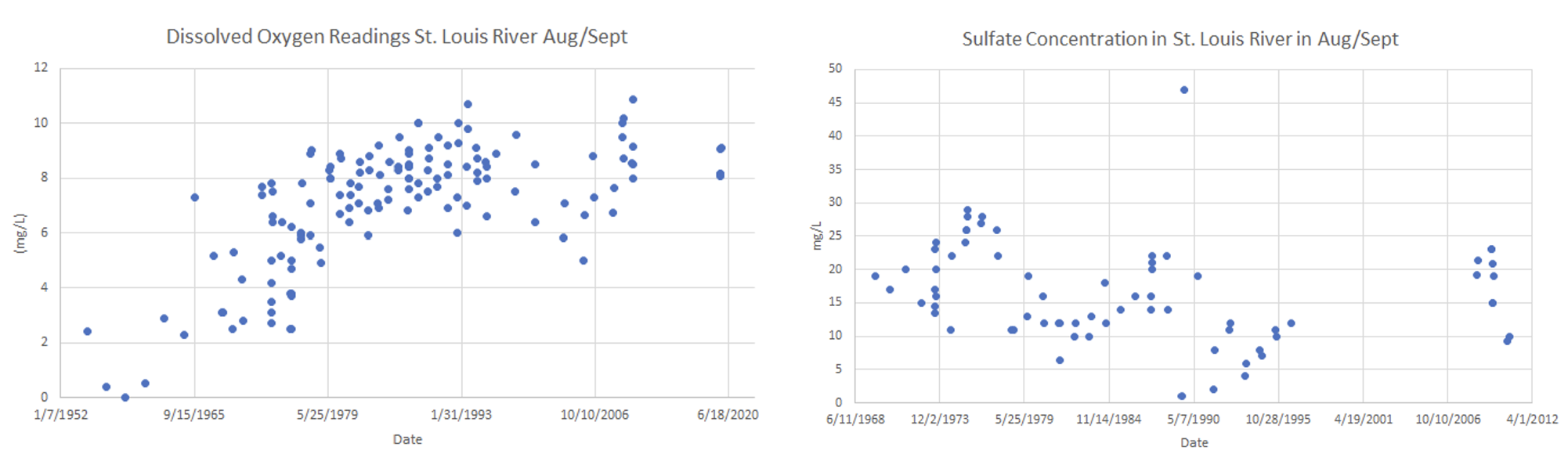
Historic Water Quality
Monitoring Surface Water Quality and Temperature
Ongoing work monitoring surface water quality and temperature dynamics in temperate lake and river systems.
Improving Engineering Insights to Reduce Anthropogenic Impact
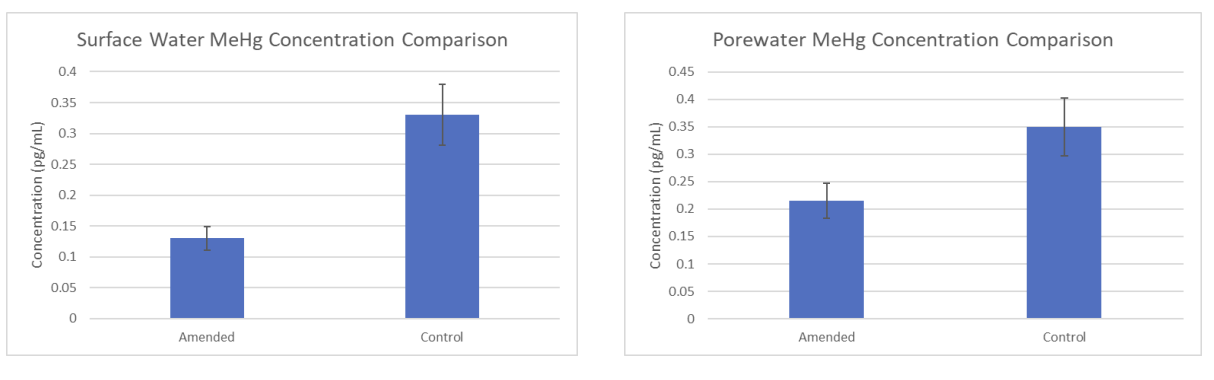
Biochar Application to Reduce Methyl Mercury Bioaccumulation
Investigating the use of biochar (activated carbon) as a sediment amendment to reduce methyl mercury bioaccumulation from moderately contaminated sediments.
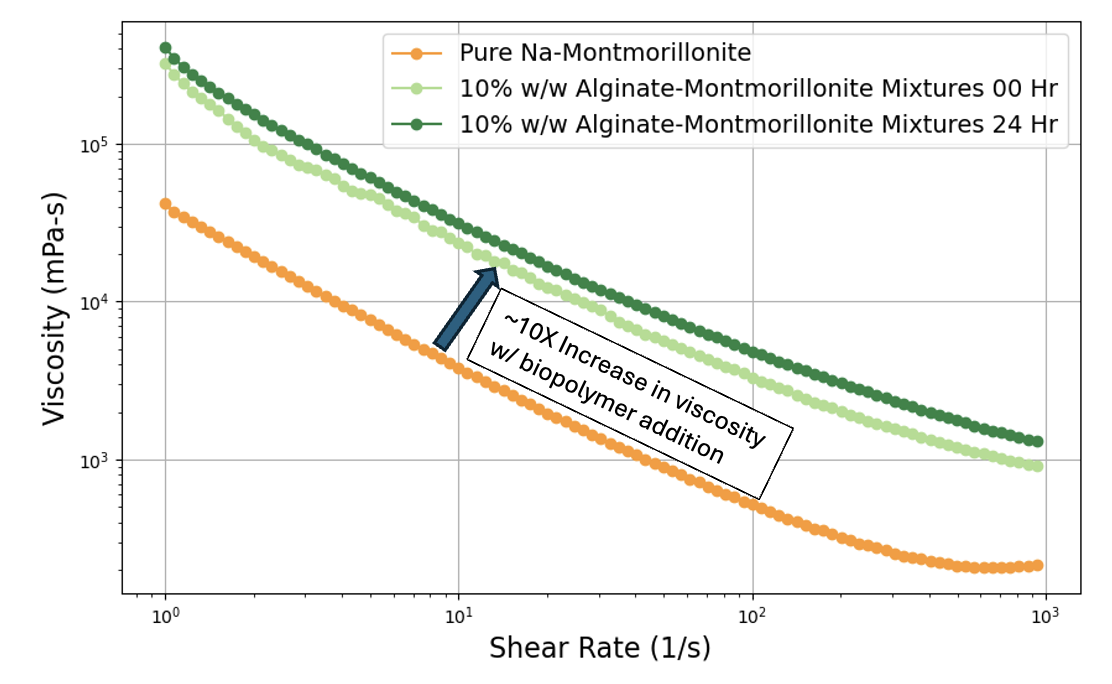
Biopolymer Application to Reduce Sediment Erodibility
Publications
- M.D. Jans, C. Soulaine, J.Q. Yang, I.C. Bourg (2026). A micro-continuum physics-based model for cohesive sediment gravity flows across mudslide, mudflow, and turbidity current regimes, In-revision.
- M.D. Jans, J.Q. Yang, C. Soulaine, I.C. Bourg (2026). Modeling Cohesive Fine-Grained Sediment Erosion using a Computational Fluid Dynamics Approach, In-Prep. </ul>
- N.W Johnson, D.H. Breneman, M.D. Jans, J. Jeremiason (2027). Evaluating Trends in Sediment Contamination over Three Decades of Characterization, Remediation/Restoration, and Post-Remedy Assessment in the St. Louis River AOC. ,2027 Battelle Sediments Conference.
- M.D Jans, J.Q. Yang, I.C. Bourg (2026). Modeling Muddy Sediment Erosion with Computational Fluid Dynamics. ,2026 Minnesota Water Resources Conference.
- M.D Jans, J.Q. Yang, I.C. Bourg (2025). Rheological Characterization and Sediment Transport Simulations of Biopolymer-Cohesive Sediment Mixtures. ,American Geophysical Union 2025 Annual Meeting.
- M.D Jans, I.C. Bourg (2025). Examining Cohesive Sediment Gravity Flows using a Computational Fluid Dynamics Framework. ,American Geophysical Union 2025 Annual Meeting.
- M.D Jans, I.C. Bourg (2025). Modeling Cohesive Sediment Erosion and Transport Using a Darcy-Brinkman-Biot Framework. , 8th Biot Conference on Poromechanics.
- I.C. Bourg, F.J Carrillo, M.D Jans (2025). Simulation of Biofilm Deformation Under Flow. , 8th Biot Conference on Poromechanics.
- M.D Jans, I.C. Bourg (2025). Modeling Cohesive Fine-Grained Sediment Erosion Using a Computational Fluid Dynamics Framework. , International Clay Conference.
- M.D Jans, I.C. Bourg (2024). Modeling Incipient Erosion and Quantifying Erosion Rates with A Computational Fluid Dynamics Framework. ,American Physical Society March 2024 Meeting.
- M.D Jans, J.Q. Yang, I.C. Bourg (2024). Mechanistic Understanding of Fine-Grained Cohesive Sediment Erosion: Integrating Simulations and Experiments. ,American Geophysical Union 2024 Annual Meeting
- M.D Jans, I.C. Bourg (2023). A Computational Fluid Dynamics Approach for Modeling Clay Erosion, Transport, and Deposition. ,American Geophysical Union 2023 Annual Meeting
- N.W. Johnson, M.D Jans, J Jeremiason, D.H Breneman (2022). Activated Carbon Lowers Methylmercury Release From Sediment and Bioaccumulation in Ecologically Complex Mesocosms. ,American Chemical Society Fall 2022 Meeting
- M.D Jans (2022). Exploring Activated Carbon's Impact on Mercury Geochemistry and Eutrophication. Undergraduate Honors Thesis, University of Minnesota Duluth.
- M.D. Jans (2020). Analysis and Digitization of Historical Water Quality in Western Lake Superior. University of Minnesota Virtual Undergraduate Research Symposium. </ul> </section>
Presentations
Connect
Feel free to reach out through any of the following platforms.